
Wild Hands, Alpine Healing
Today we wander into Forage and Folk Remedies: Alpine Herbs, Teas, and Salves from the Wild, inviting you to notice the high country’s quiet pharmacy beneath your boots. We will learn to identify resilient mountain plants, brew restorative teas, and craft gentle salves, while honoring stories carried by shepherds, climbers, and grandmothers. Bring curiosity, patience, and respect for thin-air ecosystems; you will leave with techniques, safety habits, and a deeper relationship with landscapes that give generously when approached thoughtfully, slowly, and with gratitude.
Leaf, Stem, and Scent: A Field Checklist
Build a ritual: touch textures without tearing, crush a tiny fragment to confirm aroma, note venation and leaf arrangement, compare stem hairs under light, and taste only when triple-confirmed. Record altitude, slope aspect, companion species, and moisture. This disciplined checklist transforms chance encounters into trustworthy knowledge, protecting both you and fragile alpine communities.
Look-Alikes and Legends
Many mountain stories warn about deceiving doubles. Learn how alpine buttercup mimics friendly cousins, or how certain hellebores hide among gentians. Use multiple identifiers—rhizome color, seed pod shape, sap behavior—never a single trait. Pair folklore with modern resources, remembering that caution is brave, walking away is wise, and patience often reveals the plant’s true identity tomorrow, under different light.
From Ridge to Teacup
Fresh Infusions for the Campfire Mug
With lightweight strainers and a patient simmer, fresh sprigs release bright, piney sweetness. Keep water below rolling boil to protect volatile oils, and cap the mug to trap aroma. Layer tender tops last, steep shorter than valley herbs, and taste gradually. Pass the cup around, invite impressions, and note which flavors linger like distant peaks after sunset.
Drying Racks and Gentle Heat
Spread thin bundles in breathable shade, away from smoky fires. Rotate often, listen for the papery whisper signaling readiness, and store in amber jars that guard color. Silica packets help in damp cabins. Label with date, place, and weather memories, because terroir lives in herbs too, and your future blends will sing more clearly when provenance is cherished.
Blends that Sing Together
Balance high notes of alpine mint with grounding juniper tips, soften assertive arnica petals with calming chamomile, and add a lemony alpine sorrel sparkle. Aim for aroma harmony and mouthfeel continuity, not just strength. Keep small trial batches, invite friends to blind-taste, adjust ratios, and celebrate the imperfect blends that teach more than the lucky first success.
Salves for Skin and Journey
Alpine weather polishes skin with sun, wind, and grit. Learn to transform foraged blooms and resins into salves that comfort cracked knuckles, trail bites, and sore calves. We will cover oil infusions, beeswax ratios, safe inclusion of cooling essential notes, and patch testing. Along the way, we will honor makers who once stirred pots near stone huts, leaving gentle remedies for wanderers who needed courage and rest.

Infused Oils: The Slow Sun Method
Pack clean, bone-dry jars with wilted petals to avoid trapped moisture. Cover with stable oils, set in indirect mountain light, and turn daily like a prayer wheel. Weeks later, strain through calm patience. The result carries whispers of trailside blossoms, ready to soothe scraped stories and celebrate the steady transformation that time, warmth, and attention always create.

Beeswax, Ratios, and Texture
Measure by weight, not guesswork. Start with one part beeswax to four parts infused oil, test on a cool spoon, and adjust for seasons and storage. Softer for winter lips, firmer for sunny backpacks. Stir gently to reduce bubbles, and pour into tins that welcome pockets without leaking warmth onto maps or letters.
Ethics on the Trail
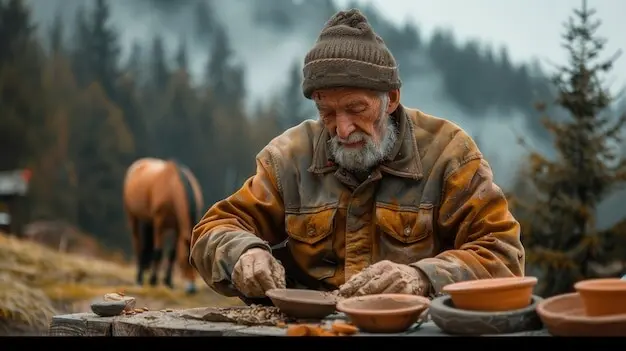
The mountains are generous only when asked politely. Harvest sparingly, never from the first or only patch, and skip areas stressed by drought or heavy footsteps. Learn local guidelines, respect private and Indigenous lands, and prioritize pollinators. Repack disturbed soil, disguise footprints, and offer reciprocity through monitoring, seed collection under permit, or volunteering. Your best remedy is often leaving plants to keep healing their high homeland.
Leave More Than You Take
Count stems before cutting any, then halve your intention again. Clip cleanly above growth nodes, scatter a few seeds if appropriate, and replace small stones you moved. Photograph abundantly instead of filling bags. The practice feels slow at first, then liberating, because restraint invites deeper noticing, stronger gratitude, and a future where every hiker can discover living abundance.
Know Your Rights and Boundaries
Research park regulations, forage allowances, and protected lists before boots hit gravel. Some valleys welcome limited personal gathering; others ban it to protect rare blooms surviving climate shifts. Maps, ranger chats, and seasonal notices guide respectful decisions. When unsure, pass by kindly, remembering that legality partners with ethics, and both expand joy when approached with humility and curiosity.
Companions, Not Commodities
Treat every plant like a relationship, not inventory. Learn its pollinators, fungi partners, and lifecycles. Celebrate a patch by returning through seasons without cutting, noticing who visits at dawn. Share locations only with trusted caretakers. This mindset turns remedies into conversations, not transactions, and keeps the alpine’s quiet chorus singing long after our footprints fade into scree.
Grandmother’s Arnica Tale
She swore by a jar tinted golden from rounded blossoms gathered after storms. The scent was resin and rain. Applied to bruised shins, it calmed rage-purple into acceptance. We later learned careful dosing matters. Her lesson still holds: combine tenderness with knowledge, respect with curiosity, and keep a notebook beside the stove, because stories fade faster than petals.
Shepherd’s Thyme Against the Cold
In a hut where wind wrote on the door, a kettle never truly cooled. Thyme from south slopes met honey he hauled in spring, and a cough softened. Today we echo that ritual with better thermometers and cleaner jars, yet the essence remains: small leaves, steady heat, and a patient listener attending breath until it lengthens again.
Marmot Tracks and Weather Signs
Following marmot paths once led me to a late bloom of alpine yarrow sheltered from hail. The animal knew the dry route; the plant knew resilience. I brewed a consoling cup that evening, adding gratitude as an invisible ingredient. Fieldcraft thrives when we study more than plants: we read animals, clouds, and the kind warnings of stones.
Tools, Notes, and Next Steps
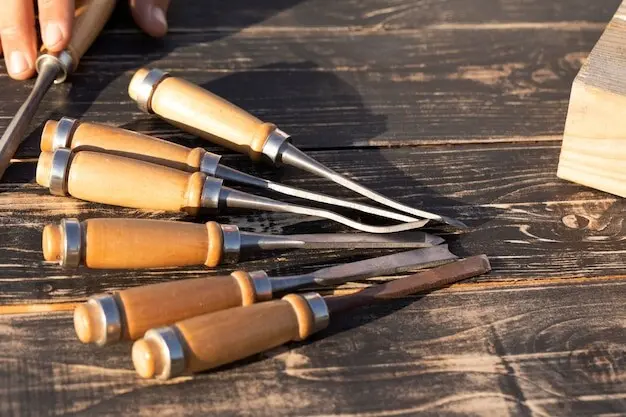
Good journeys begin with humble gear and attentive records. Carry small shears, breathable bags, a hand lens, and a scale that tells truths. Keep maps offline, signal mirrors for safety, and warming layers that respect sudden squalls. In the notebook, sketch vein patterns, write aromas in metaphors, and tape tiny samples. Then connect: share field days, host tasting circles, and invite newcomers to learn alongside you.
All Rights Reserved.